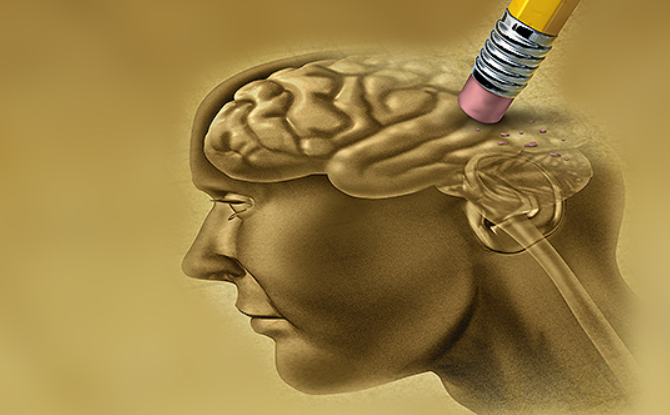
Mild Cognitive Impairment (MCI) is a decline in memory and/or thinking functions compared with a previous level of functioning, beyond what is expected for age. It is a stage between natural aging and functional decline defined as dementia. It usually begins around the ages of 60–70, but can also appear earlier. In many cases, this impairment progresses with age and increases the likelihood of developing dementia such as Alzheimer’s disease. By definition, it does not involve impairment in daily functioning, work, household tasks, driving, or routine activities. However, it serves as a warning sign that there may be problems that we are not addressing.
Clinically, it may be expressed in several areas: difficulty retrieving words or names, difficulty with short-term memory such as the ability to remember events that happened recently or information that was told to us a short time earlier, possible difficulty with spatial orientation including episodes of confusion in familiar places, or difficulty with orientation to days or dates. A significant concentration problem that was not present before can also be a sign of mild cognitive impairment, which is often expressed as difficulty remembering why we entered a room and what we wanted to do or say. Executive dysfunction, such as difficulty with planning, carrying out several actions in sequence, and judgment, is another manifestation. We divide mild cognitive impairment into two types: amnestic and non-amnestic. Amnestic means that the main problem is short-term memory, while in the second type there is a variety of impairments such as those described above, and memory may be one of them.
The causes of mild cognitive impairment are unclear. The diagnosis is usually made by excluding other conditions. There may sometimes be a genetic component (not routinely tested), as well as environmental and lifestyle components, such as nutritional deficiencies, sleep disorders, high levels of stress and overload, health problems such as liver or kidney failure, changes in mood such as depression or anxiety, and certain medications (for example, benzodiazepine sleep medications). Additional causes that should be ruled out include brain tumors, cerebrovascular disease, epilepsy (which may sometimes present atypically), high alcohol consumption, drug use, sleep disorders such as sleep apnea, and other degenerative diseases such as Parkinson’s disease.
There are several tests that support the diagnosis of mild cognitive impairment, but there is no single precise diagnostic test. The physician usually relies on the history described by the patient, cognitive tests and questionnaires that assess memory, information-processing speed, comprehension, word retrieval, general knowledge, and more, on the examinee’s family history of memory problems, as well as on additional tests. These tests include a neurological examination, blood tests, and brain imaging. Recommended blood tests as part of the evaluation include a complete blood count, blood levels of electrolytes and vitamins (B12, D, folic acid), liver and kidney function tests, hepatitis serology, iron levels, thyroid function tests (TSH, FT3, FT4), and erythrocyte sedimentation rate. There are additional tests such as levels of other vitamins (E, B6, A, C), homocysteine, MTHFR, coagulation tests and immune-system antibodies, urine testing for heavy metals, antibody testing for certain infections, celiac testing, and more, but these are not routine and are performed according to clinical suspicion.
Additional tests also include brain imaging such as CT or brain MRI, with the aim of ruling out other causes of cognitive decline such as a tumor, stroke, inflammatory disease, or infection of the brain. Sometimes the physician will refer the patient for a brain scan (SPECT, FDG-PET), which is intended to demonstrate function or blood flow in specific areas of the brain, and this test may also support a diagnosis of cognitive decline from a specific cause (such as Alzheimer’s disease, cerebrovascular disease, and more). In certain cases, a more invasive test called a lumbar puncture is also used, with the aim of removing a small amount of fluid surrounding the spinal cord in order to rule out the presence of inflammatory or malignant cells, as well as to test the level of a protein called TAU, which supports the diagnosis of Alzheimer’s disease.
Recent studies on the subject have found that there are additional factors associated with mild cognitive impairment, including nutritional deficiencies beyond those usually tested, food sensitivities, hormonal imbalance, and imbalance of the bacteria in the digestive system (“good” and “bad” bacteria, the “microbiome”). It is believed that in most cases several factors are involved, and therefore the required treatment is treatment at several different points, unlike the conventional approach in which only one medication is given.
I developed the “Applied Neurology” approach because I believe it is important to examine as many factors as possible in order to provide optimal treatment. In addition, there is a need for a comprehensive (holistic) view of each person in order to treat their problems at the root, rather than providing short-term treatment for each symptom.
Even if you are relatively young, around the ages of 30–40, and feel a certain decline in memory or concentration compared with before, this is not considered mild cognitive impairment, but it is still recommended to investigate it thoroughly, because many factors are treatable if they are only examined.
References:
- R.C. PETERSEN. MILD COGNITIVE IMPAIRMENT. 2004 Blackwell Publishing Ltd Journal of Internal Medicine 256: 183–194
- Juleen Rodakowski, OTD, OTR/L, Richard Schulz, PhD, Amanda Gentry, MPH, Linda Garand, PhD, GCNS-BC, and Jennifer Hagerty Lingler, PhD, CRNP. Attribution of Mild Cognitive Impairment Etiology in Patients and Their Care-Partners. Int J Geriatr Psychiatry. 2014 May; 29(5): 464–469.
- Dale E. Bredesen. Reversal of cognitive decline: A novel therapeutic program. AGING, September 2014, Vol. 6 No. 9 AGING014, Vol 6 N 9
- Dale E. Bredesen, Edwin C. Amo, Jonathan Canick, Mary Ackerley, Cyrus Raji, Milan Fiala, Jamila Ahdidan. Reversal of cognitive decline in Alzheimer’s disease. Aging. 2016